Every autumn, the sky over Tarifa turns into a motorway. Bird migration across the Strait brings together thousands of storks and birds of prey that leave Europe behind and hop over to Africa at the point where the two continents almost touch. From the viewpoints along the coast you get a front-row seat, with no boats and no tickets: all you have to do is look up.
It is one of those plans that never makes it onto the summer postcards and that stays with you once you have lived it. And it is an hour from Chiclana, so it fits easily into a morning out.
Why bird migration passes right over Tarifa
Storks and large birds of prey are soaring birds. They do not fly by flapping their wings, but let themselves be carried up by the columns of warm air that form over land and then glide from there, covering kilometres while using almost no energy. The problem comes when they have to cross the sea: over water, those currents barely exist.
That is why they look for the shortest crossing between the two continents, and that crossing is the Strait. Tarifa sits at the narrow end of the funnel of bird migration coming down from half of Europe. That is where they gather, wait for the right moment and cross, sometimes in huge flocks that spiral upwards before setting off towards the African coast.
A spectacle that is counted every year
The Fundación Migres has been counting these birds for more than two decades with a fixed method, from the same observation points and on the same schedule. According to the data from its 2023 census, more than 556,000 soaring birds of 35 species passed along the Spanish shore of the Strait: around 152,000 storks and around 404,000 birds of prey. The black kite was the most numerous species, followed by the white stork.
You can find out about their work and their monitoring programme on the Fundación Migres website. It is the best way to understand that what you see from the viewpoint is no accident, but one of the most important bird migration routes on the continent.
Storks and birds of prey, the stars of autumn bird migration
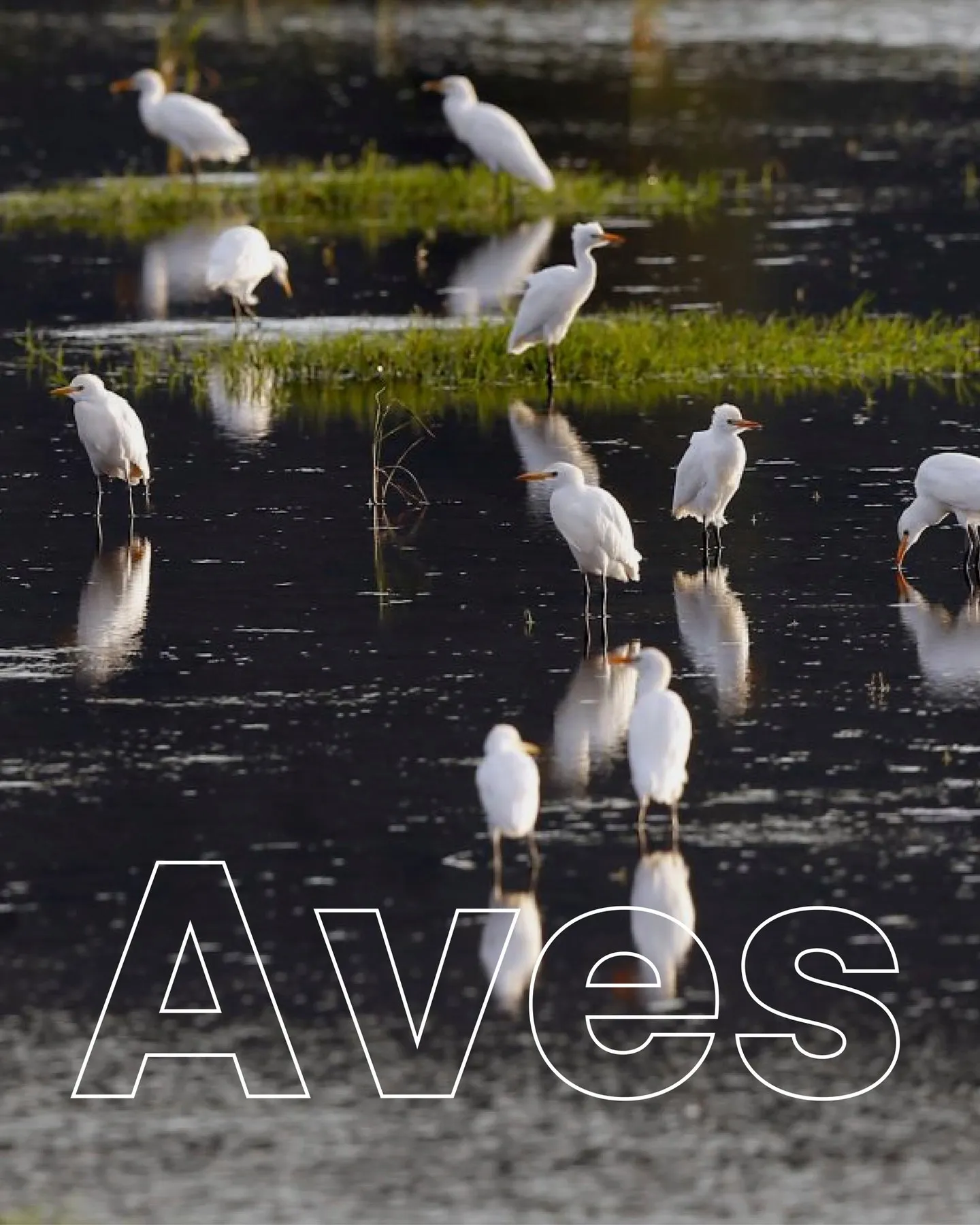
The white stork is the one that catches the eye most: flocks of hundreds of birds that appear over the hills, circle to gain height and suddenly head south. It is one of the first to pass, as early as the end of summer. The black stork crosses too, far scarcer and more discreet.
Birds of prey set the rhythm of the bird migration season. The black kite arrives in large numbers, and with it other species that come and go as the weeks go by. You do not need to tell them all apart to enjoy it: with a pair of binoculars and a little patience, every pass is different.
The sky changes from day to day
Bird migration does not run to a fixed timetable. The weather, the wind and the temperature decide when the birds pass and when they wait. There are quiet days and others when the sky fills up in a few minutes. That uncertainty is part of the charm: you never quite know what you are going to see.
To watch bird migration, what does work is taking it easy. Soaring birds need the sun to warm the ground before they can take off with strength, so there is no point getting up too early. Arrive in good time, find a good spot and let the sky do the rest.
The Tarifa viewpoints for watching bird migration
The N-340 road between Tarifa and Algeciras runs right along the Strait and is where the observation points are. The best known for visitors is the Mirador del Estrecho, with open views of the African coast and the coming and going of ships. At the height of bird migration, you can follow the passes of storks and birds of prey from right there.
The Cazalla and Tráfico observatories, at Punta Camorro, are the reference points for those who count the birds every season. This whole stretch is part of the Parque Natural del Estrecho, so the landscape plays its part too: hills, cliffs and the sea in the background, with Morocco in sight on clear days.
What to bring to enjoy the viewpoint
- Binoculars. Many birds pass high and far away; with them, the experience changes completely.
- Warm clothes and a windbreaker. The wind blows hard in the Strait even when the day is sunny.
- A cap and water. You spend a lot of time outdoors looking up.
- Patience. There are calm spells and spells with lots of movement; it is worth staying a little longer.
An autumn getaway an hour from Chiclana
From Chiclana, Tarifa is an hour away by car, just right for setting off after breakfast and being at the viewpoint once the day has warmed up. It is a plan that suits any kind of traveller: families with children seeing a stork up close for the first time, couples looking for something different or groups of friends who want some nature.
The drive is worth it in itself. The road passes close to lively coastal villages, and if you want to stop along the way, our guide to Zahara de los Atunes from Chiclana has ideas for lunch or a walk on the beach. For the rest of the week, you will find more ideas in things to do near Chiclana.
How to plan the day
- A slow morning. An unhurried breakfast and off to Tarifa.
- Viewpoint. A good while watching the bird migration go by, without looking at the clock.
- Tarifa. A stroll through the old town and something to eat by the sea.
- Back. Return to Chiclana to round off the day at an easy pace.
If you are looking for somewhere to stay, Los Refugios del Alce are country houses in Chiclana near the coast, with Tarifa within easy reach. Here you can see where Los Refugios del Alce are on Google Maps. Bird migration comes round once a year; save the plan for your next autumn getaway.
Frequently asked questions about bird migration
Do I need to be a bird expert to enjoy the plan?
No. You do not need to know the name of every species: just look at the sky. A field guide or an identification app helps, but the spectacle of bird migration can be enjoyed without any prior knowledge.
Is it a good plan to do with children?
Yes. Seeing flocks of storks circling over the Strait up close usually hooks them straight away. Bring binoculars for everyone, warm clothes and a snack, and combine the viewpoint with a walk around Tarifa.
Is there bird migration in spring too?
Yes. In spring the birds make the return journey, from Africa to Europe, and they also cross the Strait. Autumn, on the other hand, is when they pass heading south, as this post explains.