Some places you visit and some places you eat. Eating in Chiclana is the second kind: a corner of the Cádiz coast where the fish comes in from the port next door, the meat comes down from the countryside and the wine is still made in family bodegas a short drive from the beach.
This is not a list of starred restaurants. Eating in Chiclana is above all a question of season: what is on the table each month, where you buy it and why the sobremesa here lasts longer than the meal itself.
Eating in Chiclana starts at the market
The most honest way to begin is the covered food market. There you see at a glance what there is: fish from the bay, vegetables from the fields, cured meats and whatever fruit is in season that week. Half an hour walking between the stalls is worth any guidebook.
If you want to go one step further, the fishing port of Conil unloads every day and in Sancti Petri the catch arrives without ever having seen a refrigerated lorry. Eating in Chiclana almost always starts with that shopping trip, not with a booking.
One detail tends to go unnoticed: salt. The salt pans of the bay still produce sea salt and flor de sal, the cheapest and most useful souvenir you will take home.
Fried fish has a grammar of its own
Frying here is a trade. Cazón in adobo marinade, tortillitas de camarones, cuttlefish, wedge sole and puntillitas make up the basic repertoire, and you order them by the quarter or the half kilo, never as portions off a menu.
The unwritten rule is simple: you eat it straight out of the pan, standing up if need be, with a caña or a fino in front of you. Eating in Chiclana in August means doing it at a chiringuito with your feet almost in the sand; in October, at a freiduría in town with the windows wide open.
If the day calls for a long stretch of beach, the coast of La Barrosa concentrates a good part of those chiringuitos, and every stretch has its own regulars.
Almadraba tuna sets the calendar
From April to June, the bluefin tuna coming through the Strait is caught with the almadraba, a thousand-year-old net technique still practised in Conil, Barbate, Zahara de los Atunes and Tarifa. Those months the whole area revolves around tuna: tarantelo, morrillo, ventresca, tartare, encebollado.
Out of season you are not left with nothing. Mojama, roe and tinned tuna are sold all year round, and they are the easiest way to take the flavour home. In fact, eating in Chiclana in autumn has a logic of its own: shorter queues, more preserved produce and more calm.
If you fancy getting closer to the source, Zahara de los Atunes takes a morning and explains the whole thing better than any tasting menu.
Moscatel and the new mostos open the season
Chiclana was a village of vineyards for centuries, and that legacy is still alive in the family bodegas scattered around the municipality. Sweet moscatel is the most recognisable label, but finos and olorosos are made here too, within the same wine region of the province.
Autumn is their moment. When the year’s mostos are tapped, eating in Chiclana turns into a slow tapeo: cured cheese, chicharrones, a plate of chacina and a glass that tastes like nothing you drink at home.
Retinto beef and the grill close the day
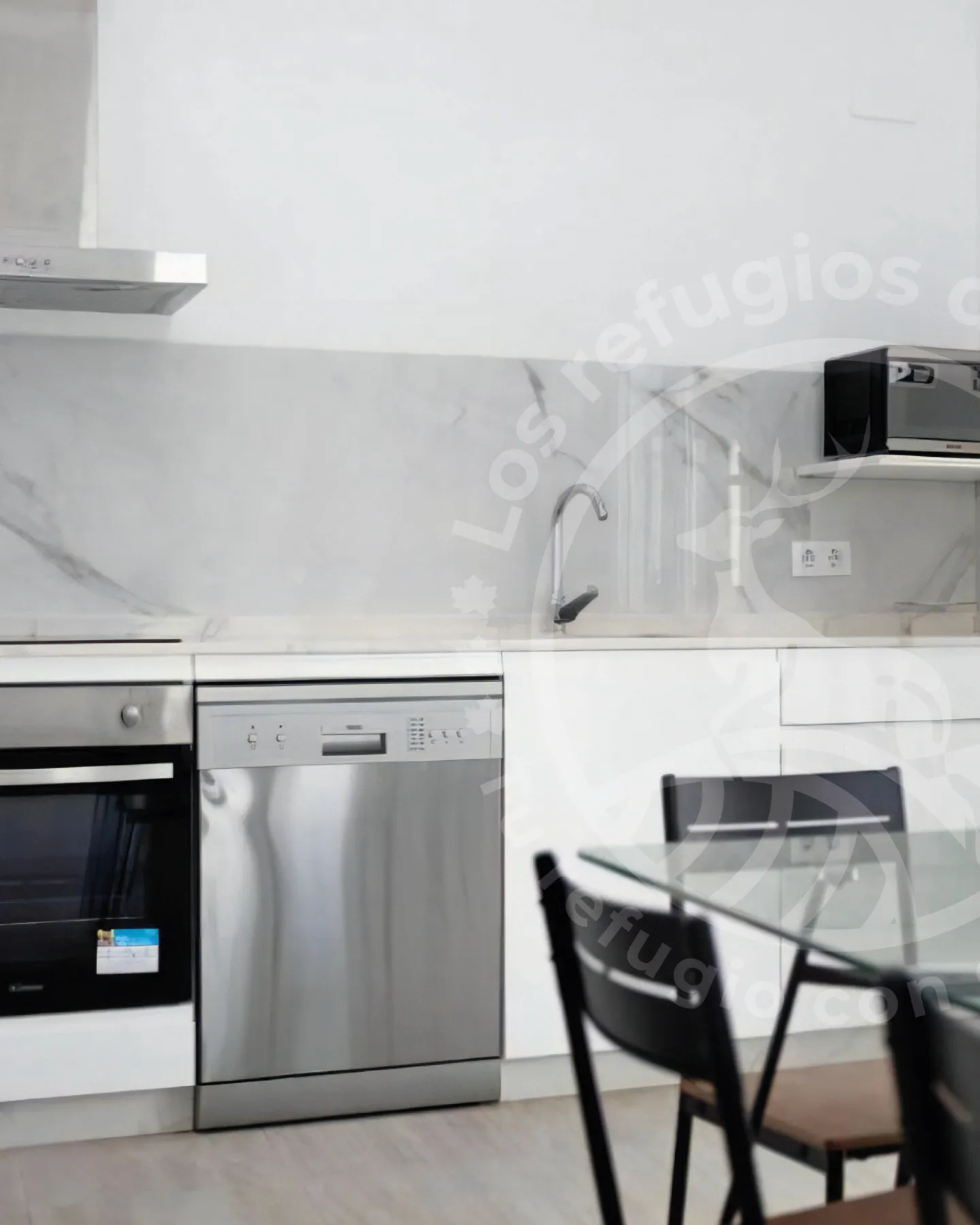
It is not all sea. Retinto beef, the native breed that grazes the Cádiz countryside and La Janda, holds up perfectly over a slow grill and is what the table orders when the group comes back from a long day on the beach.
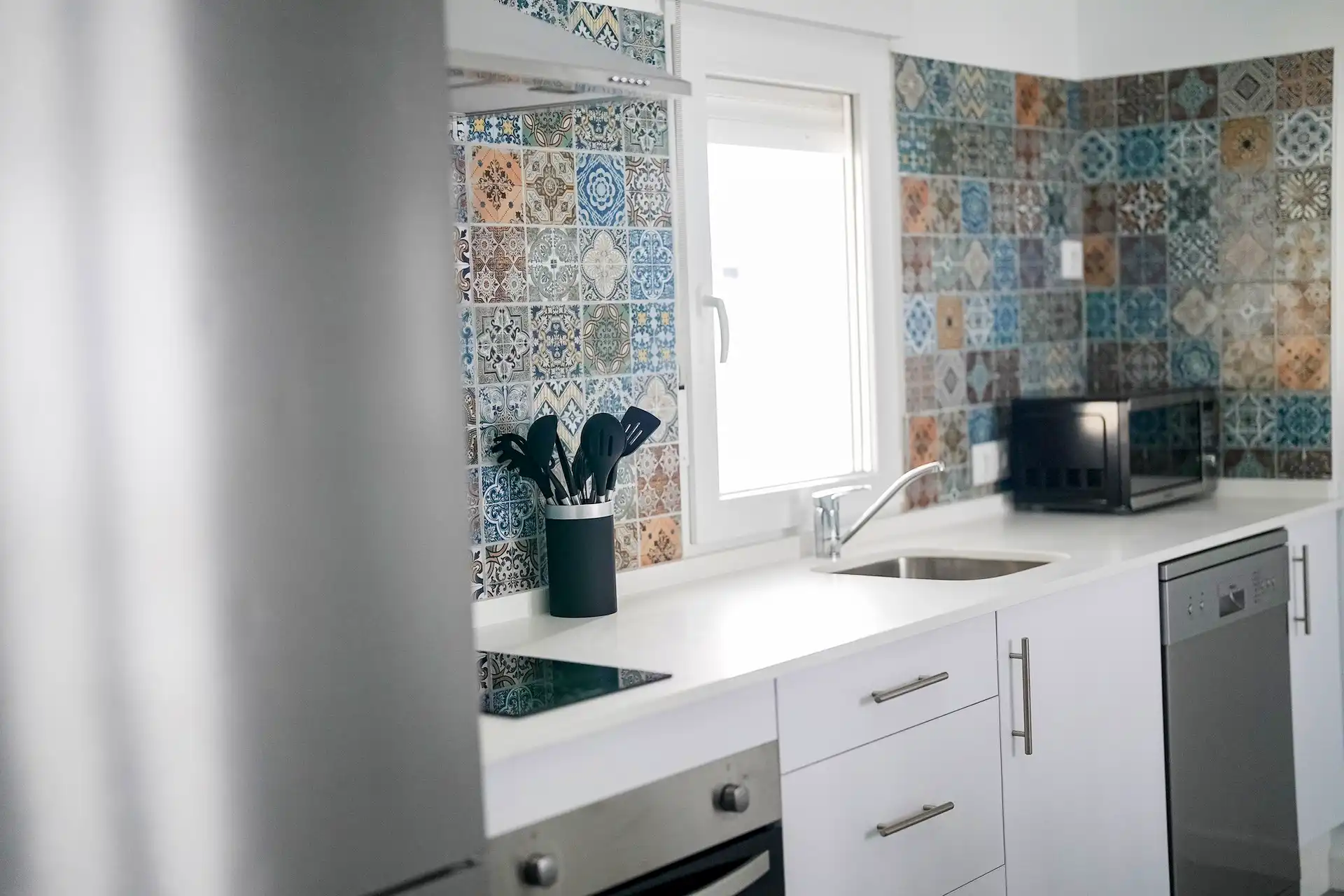
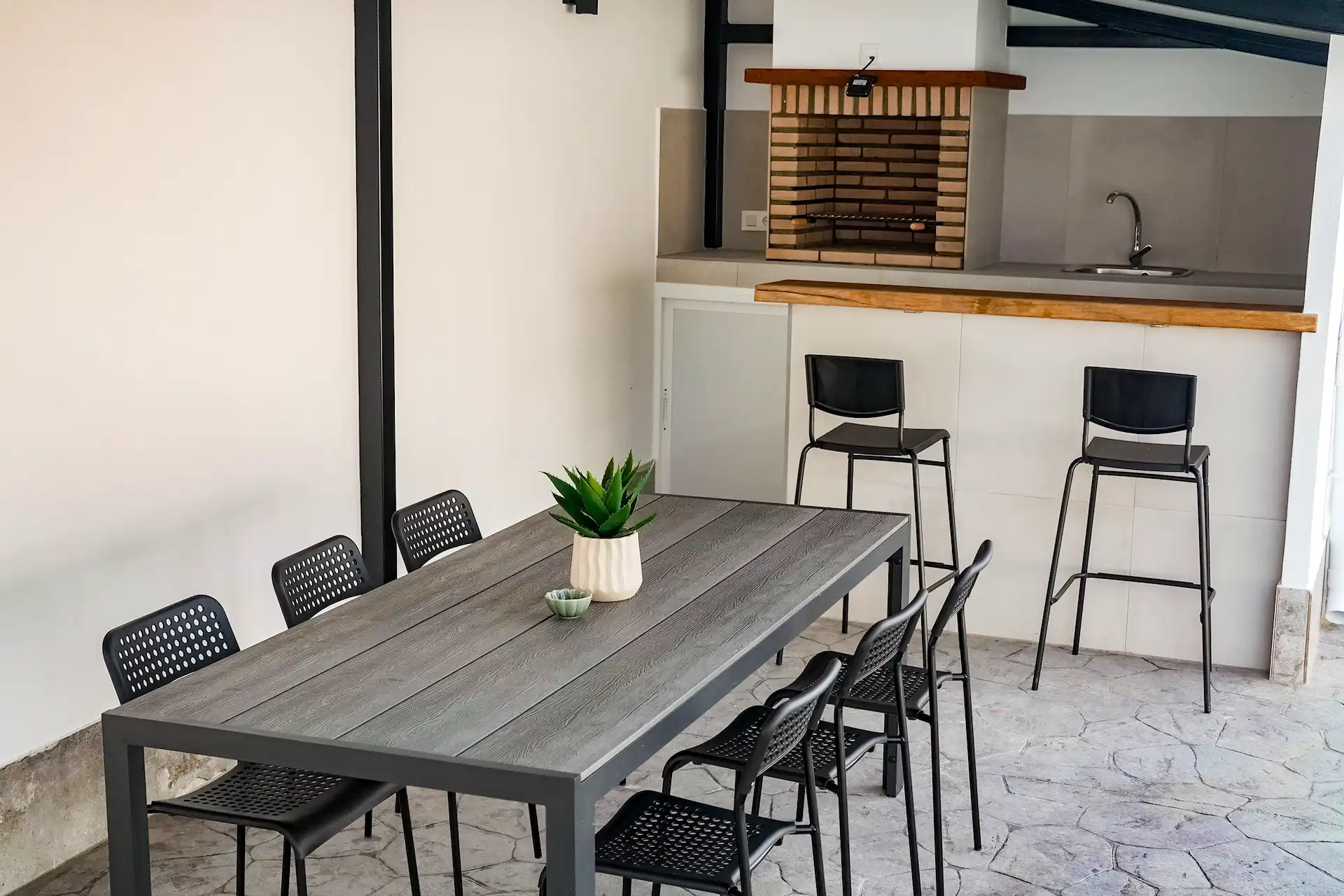
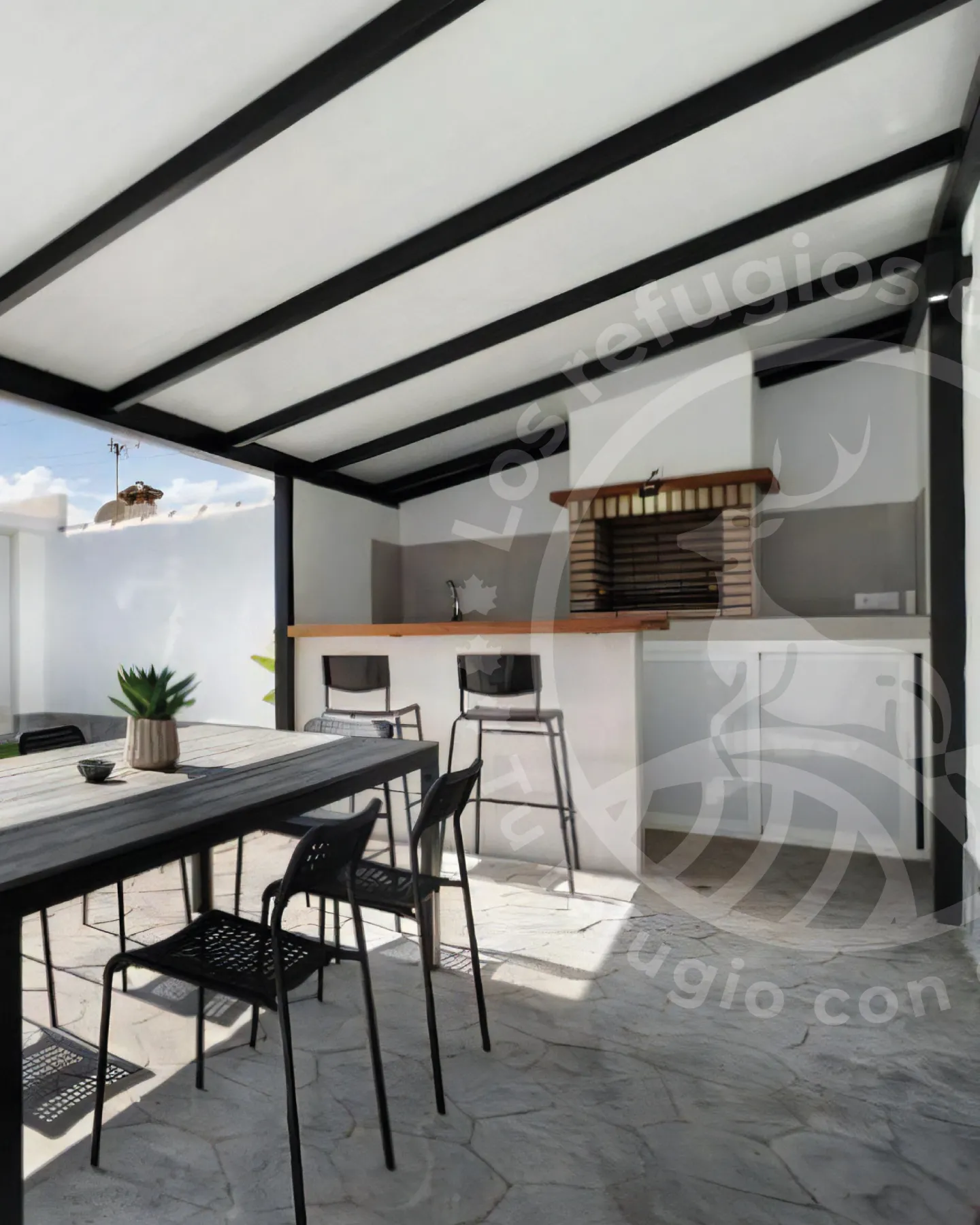
And here the home version of the plan appears. Eating in Chiclana can also mean coming back with the market bag, lighting the barbecue and having dinner without watching the clock or agreeing a time with anyone. For big groups it is usually the best night of the trip.
Every village next door brings its own dish
The pantry does not stop at the municipal boundary. Conil de la Frontera leans on tuna and rock fish; Vejer has made a name with retinto and a slightly more well-travelled kitchen; and inland, in the countryside, the stews, the cheeses and the convent pastries take over.
With a car they are all a short drive away, so eating in Chiclana and having breakfast the next morning in another white village is perfectly reasonable. You will find more routes gathered in our guide to plans near Chiclana.
Sleep close by and keep eating in Chiclana without a timetable
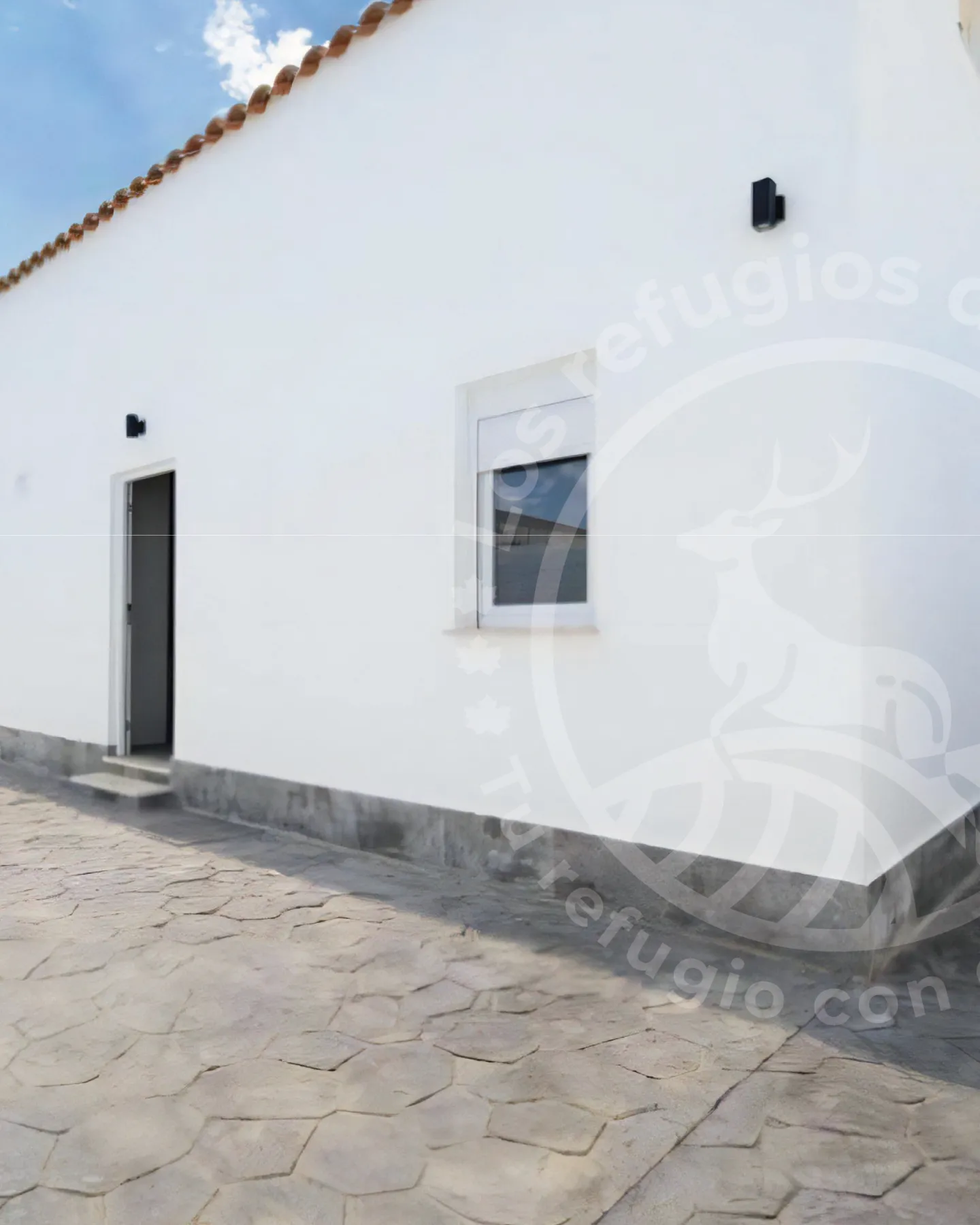
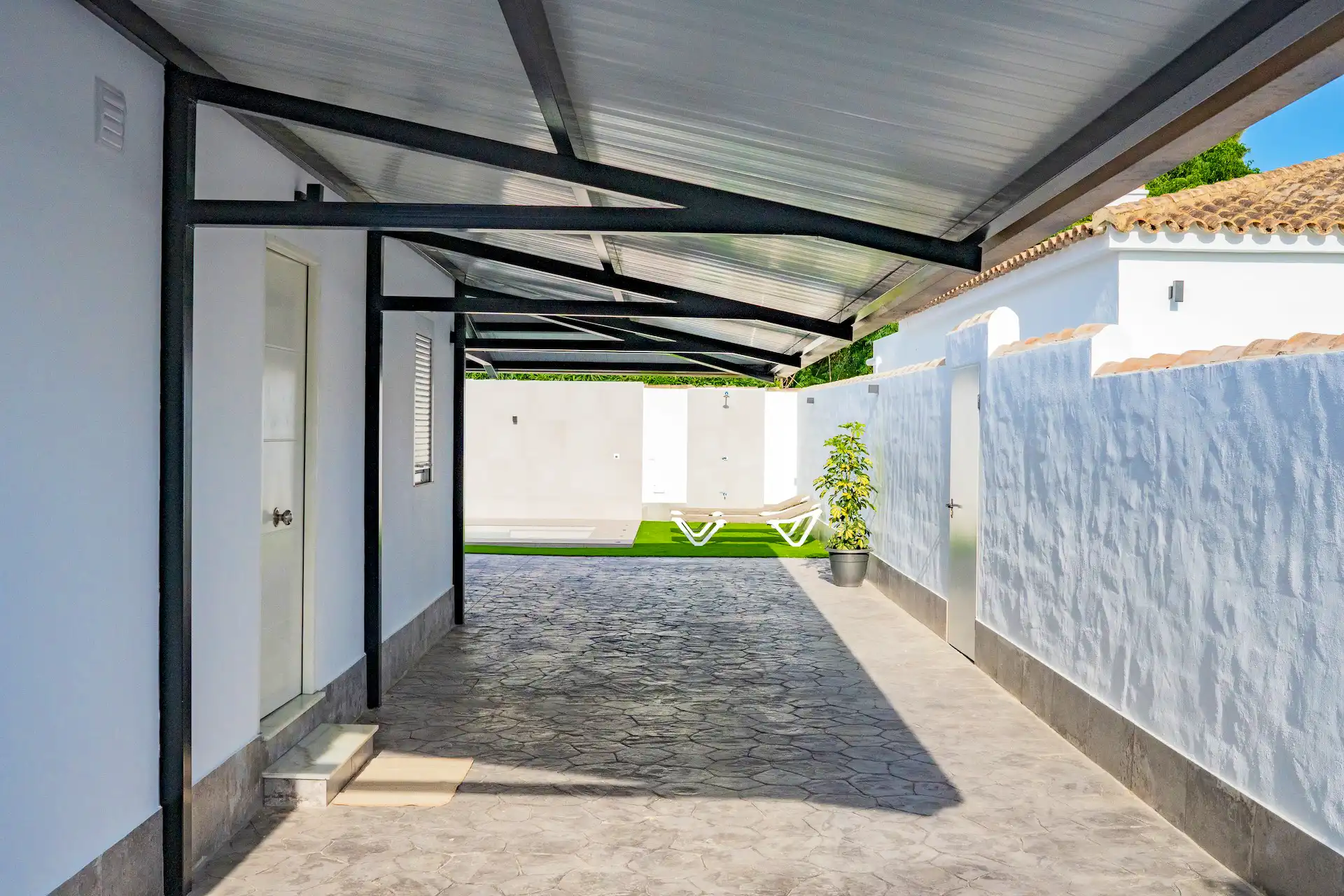
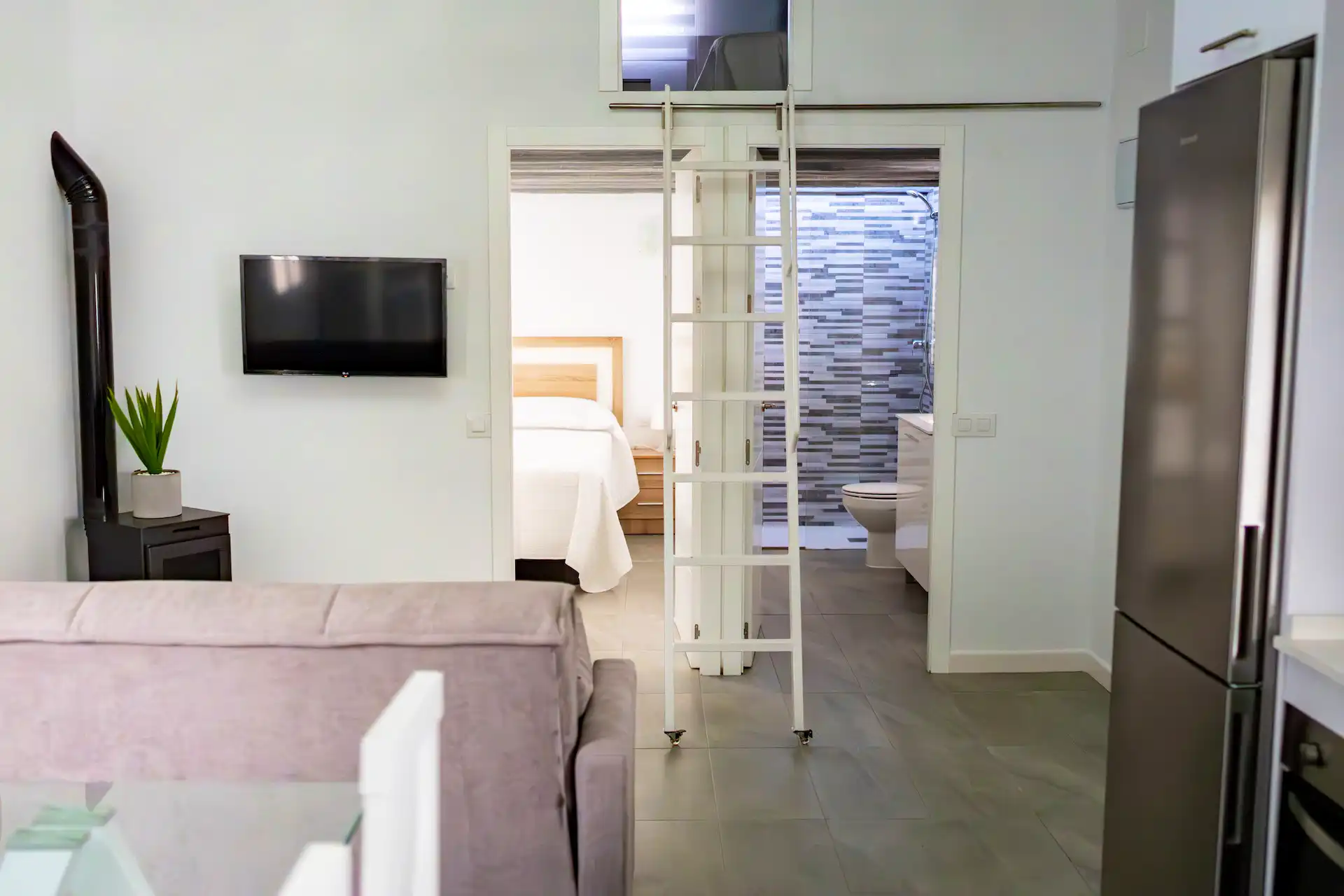
A food weekend is twice as good when you do not depend on a hotel’s schedule or anyone else’s dining room. If you are looking for a base for these days, Los Refugios del Alce rent the whole house, with a kitchen and a barbecue area; you can find Los Refugios del Alce on Google Maps and work out from there the distances to the market, the port and the coast.
What matters is not the accommodation, it is what it lets you do: eating in Chiclana at your own pace, cook what you bought that same morning and stretch the sobremesa for as long as you like.
Three rules for eating in Chiclana without a misstep
- Ask what came in today. On the Cádiz coast the menu counts for less than the fish auction; the good stuff is whatever landed that morning.
- Eat late. Lunch here starts from three o’clock without a problem, and the beach kitchens keep going well into the afternoon.
- Keep one night for cooking. Eating out three days in a row is tiring; one grill dinner at home balances both the trip and the budget.
With those three things settled, the rest improvises itself: eating in Chiclana asks for no more planning than that. The region does the heavy lifting and you only have to sit down.
Frequently asked questions about food in the area
Are bienmesabe and cazón en adobo the same thing?
Yes, it is the same dish: dogfish marinated in adobo and fried. Depending on the village you will see it on the blackboard under one name or the other, so order without hesitating.
Do I need to book a table in advance?
In July and August it is worth it, especially at the beach places and if there are a lot of you. The rest of the year almost everything is solved by just turning up, which is also the most comfortable way to improvise.
Can you get around the area without a car?
Inside the town and on the beach you manage on foot, but to reach the port of Conil or the surrounding villages a car saves a lot of time and opens up the map.
Does the plan work with children?
Yes. Eating in Chiclana with kids is no mystery: fried fish and tortillitas work at any age, and cooking at home solves the early dinners without any arguing.